Hound Health Part 2

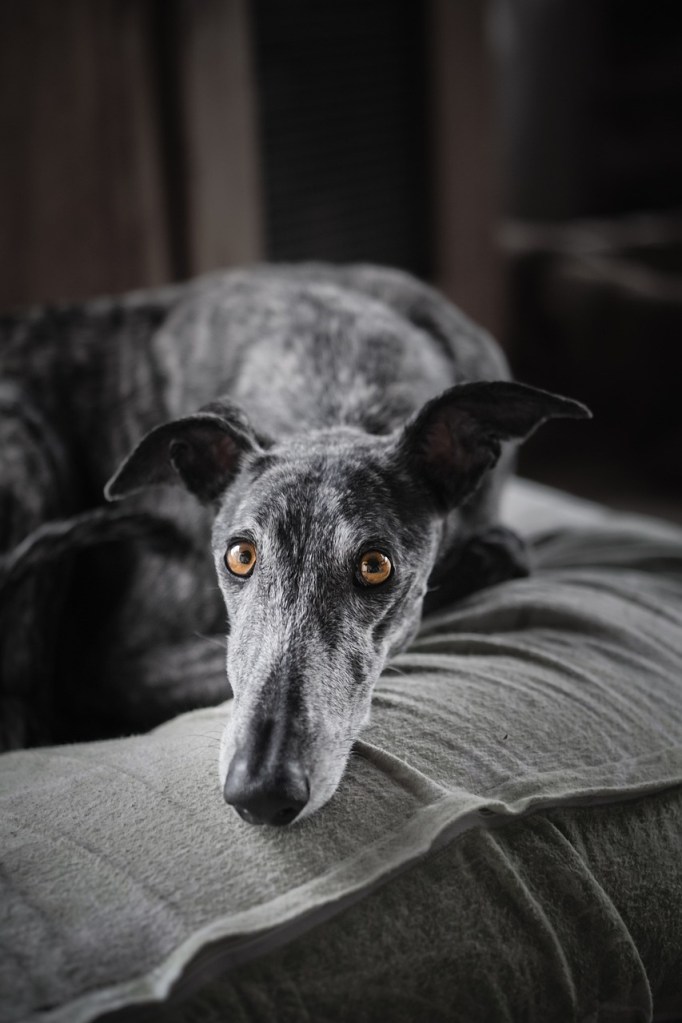
Image from DaBrain at Pixabay

Welcome back to Part 2 of Hound Health where this hound mama talks about the health issues affecting our whippets, greyhounds and lurchers as well as other sighthounds.

The Eyes Have It

The fact that these beautiful creatures are called Sighthounds is a bit of clue isn’t it? It’s also a bit misleading because sometimes it seems to this whippet mama as if they see everything except the bleedingly obvious!

Sighthounds were bred to hunt mostly – to chase down prey so that their humans didn’t have to resort to vegetarianism to fill their bellies. For this, they needed to be fast and be able to see and smell animals in the wild. Now this whippet mama is not going to quibble about the amazing smelling ability of our hounds – Millie’s ability to find a discarded chicken bone in long grass is unparalleled – but vision is a different story all together.

Whippets and other sighthounds have great peripheral vision, meaning they can catch sight of their prey out of the corner of their eyes. However, put a treat on the ground right in front of them and it may as well be invisible!

This gift of peripheral vision is also why whippies get distracted and go off on little adventures in order to scare us Mama’s silly. To us there is just a sea of grass ahead but to our whippy kids, there is so much more going on – kids, birds, other dogs, chicken bones, and more.
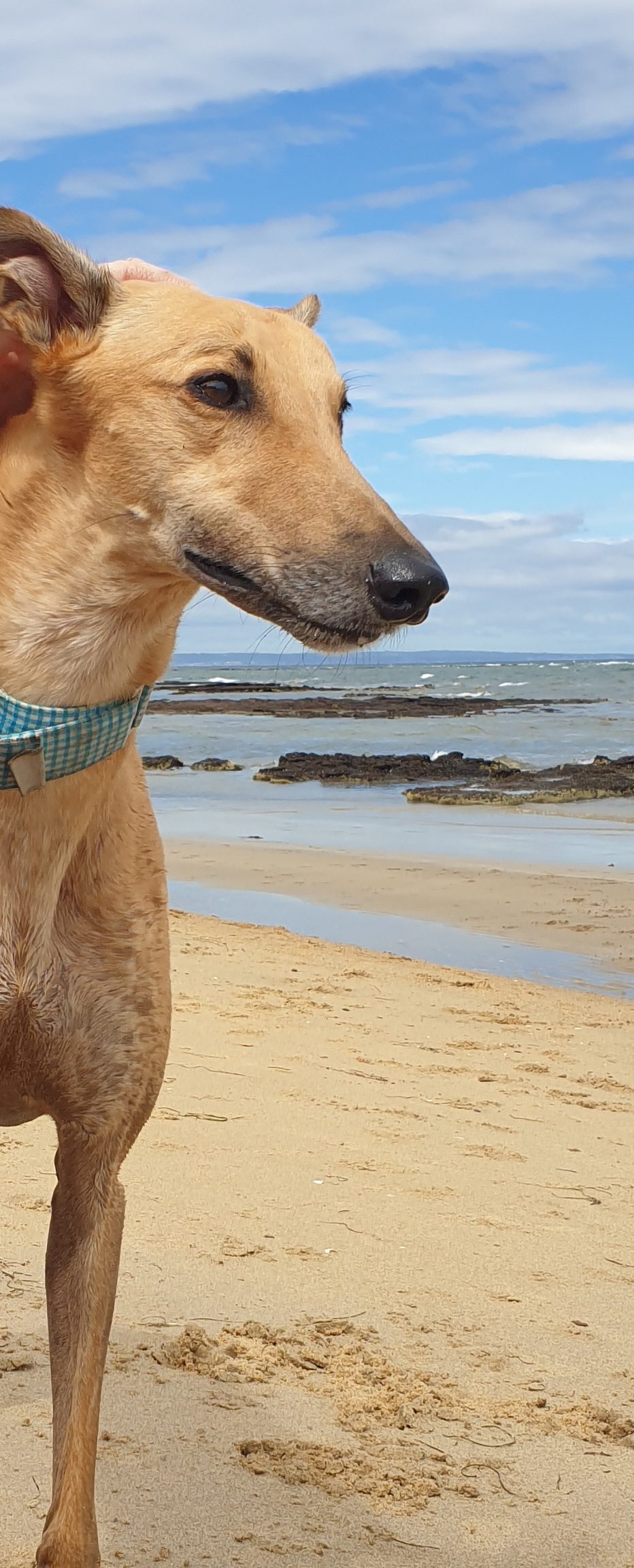
Shortly after this photo was taken, beautiful greyhound Reuben took off down the beach and this Mama had to run like she stole something to catch up with him. He was canoodling with a blonde lady in a bikini and this Mama knew he was trying to upgrade. Unfortunately for Reuben he was not successful!

Eye didn’t see that coming

Believe it or not, the sight of sighthounds can get even worse if they are unlucky. Some hounds, such as whippets and greyhounds, can inherit eye conditions that cause gradual blindness such as cortical dystrophy or progressive retinal atrophy (PRA). There are specialist doggie eye doctors who can diagnose these conditions but alas no treatment available 😦

Like all breeds, sighthounds get old (if we are lucky) and they start to lose some vision. This Mama’s late whippet Lawson got very cloudy eyes over time but could still make his way around without help. And he could still whipnotise everyone he came across. You cannot resist……
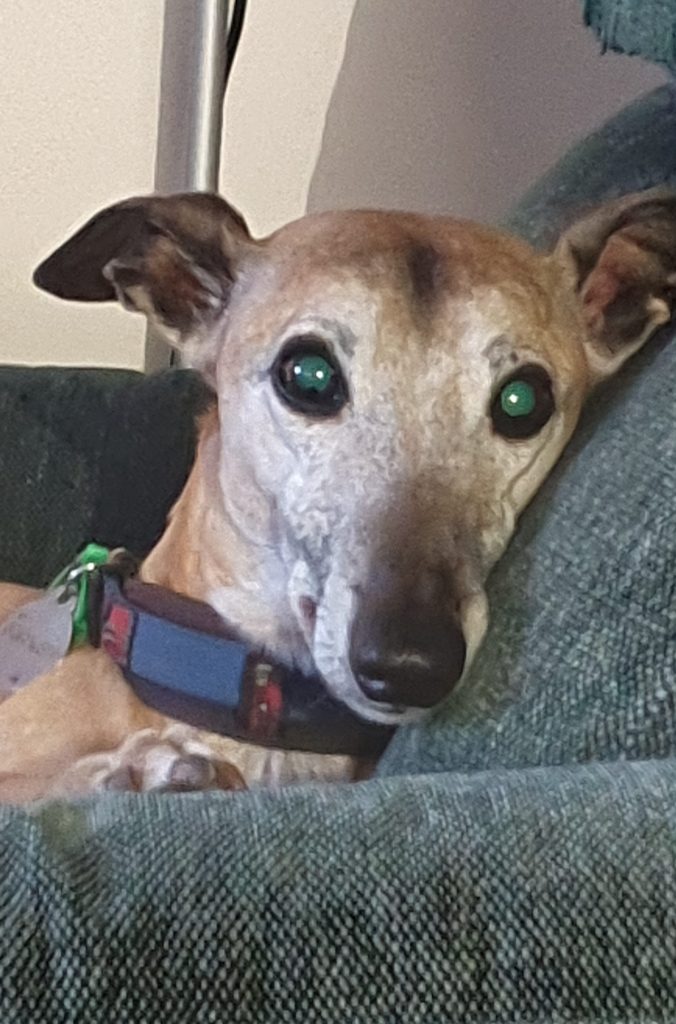
What about their ears?

Sighthounds are famous for their curled ears that sit low back on their heads. Apparently the purpose of this was to make them more aerodynamic when racing but who the hell supports dog racing anymore? Now we just love them for their softness and and ability to communicate all sorts of feelings and thoughts. Allow this mama’s kids to demonstrate:
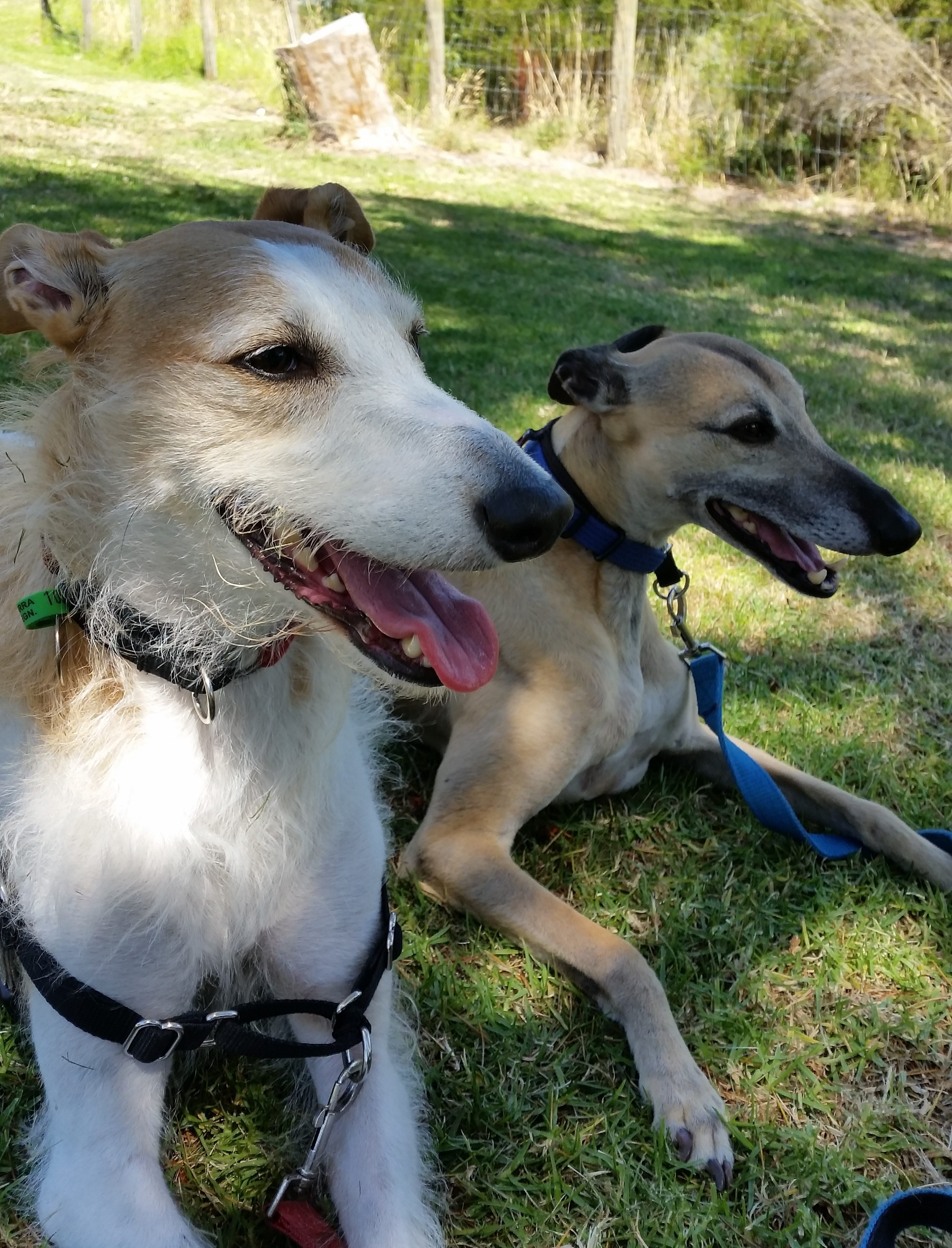
Millie and Lawson demonstrate the laid back ear – for casual catchups and barbecues and when you want to look nonchalant and cool.
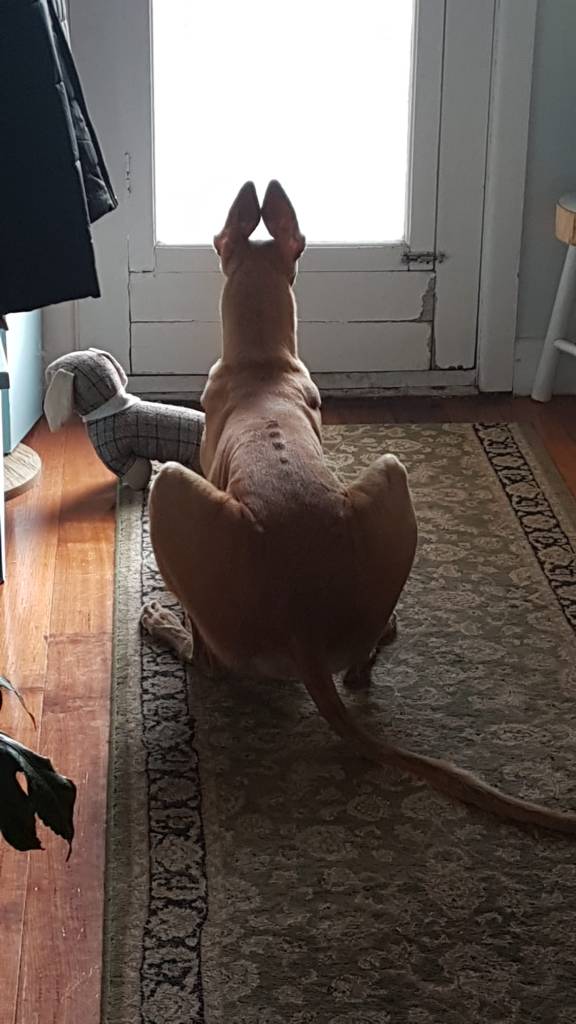
Reuben perfectly demonstrates the alert or standing ear position – useful when trying to ascertain if the car that just drove past holds the woman who brings you food and toys.

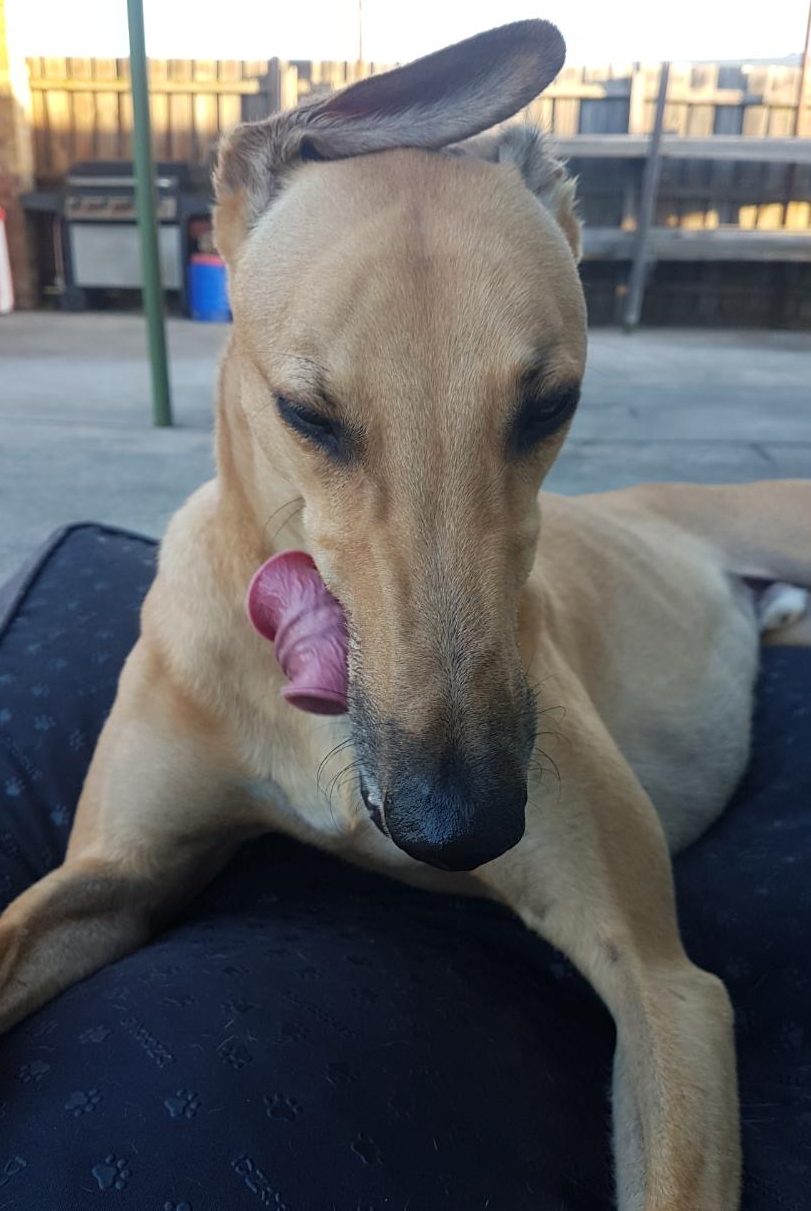
Reuben also illustrates below the extraordinary range of sighthound ear communication with whatever the heck this is?!
Beyond the goofy

Sighthounds don’t commonly have a lot of issues with their ears although their hearing can be very selective! Recall can be an issue because our houndies get distracted or over excited by something and it causes a type of temporary deafness. Other times, just opening the fridge or picking up a bag is enough to get their immediate undivided attention.

Whatever you do, never try to clean your sighthound’s ears with a cotton bud. The anatomy of their ears is super weird and not suitable for such human treatment. Using a very soft cloth or tissue is okay but the whippy/hound will soon let you know if you have taken it too far. Cue scream of death (terrifying but not actually serious) or the (more distressing) super cold shoulder.

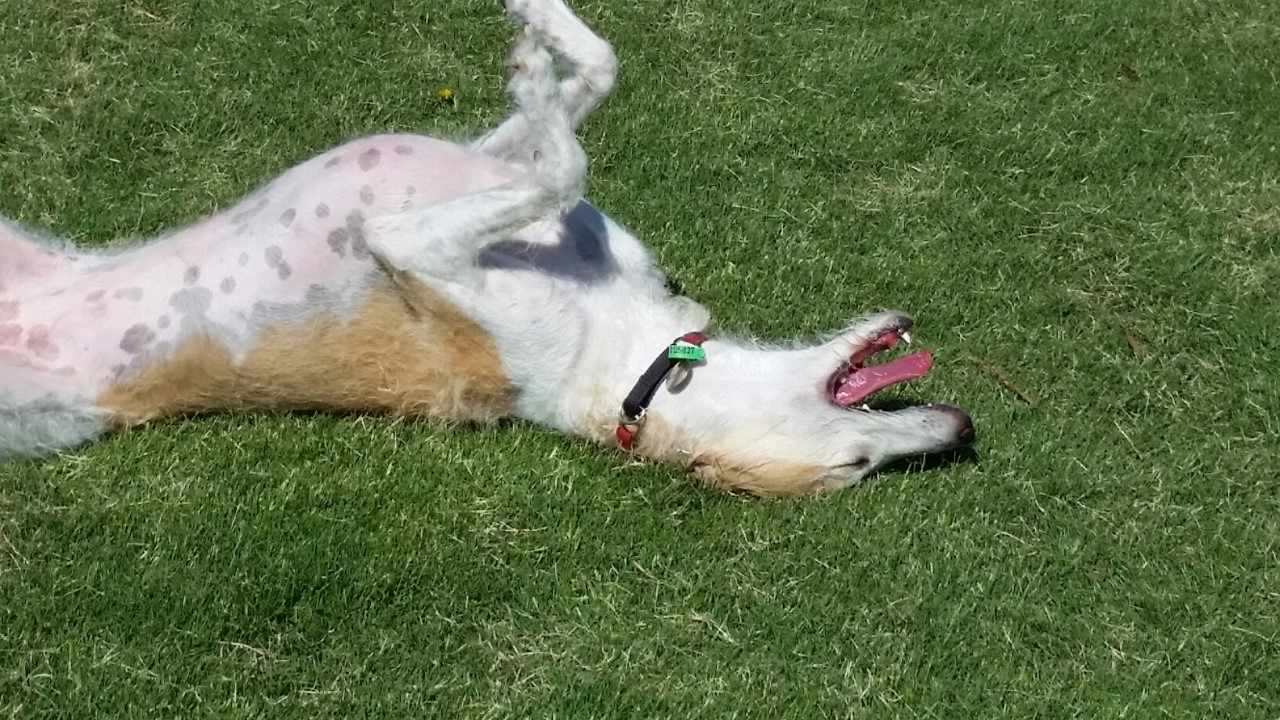
Things to look out for are skin irritations, or things crawling or falling into houndy ears. Whippets are, in particular, great lovers of rolling in grass (and other stuff) and rubbing their heads all over the ground, as demonstrated by the delightful scruff Ms Millie below.
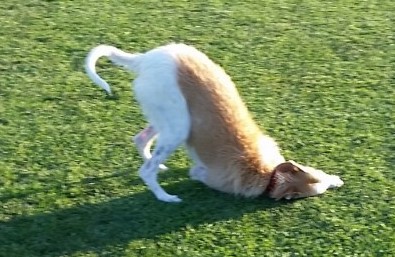
Look out for excessive head shaking or rubbing of ears on floors, couches, or even your good self. A little bit is normal doggy behaviour but too much is never a good thing. This whippy mama recommends getting a good vet to do a regular check of your furry friend’s eyes, ears and teeth – better they hate the vet than their mama!

Next time we’ll look at what happens when our puppies become older – if we are lucky enough to have them for a long time. No matter how old my babies are, they are still puppies and I am still a whippet mama……

Lurcher? What on earth is a lurcher?!

Given the the subtitle of my blog is “life with whippets and lurchers” I thought it about time that I show some love to the lurcher in my life and shine a spotlight on this awesome category of canines.

Mad Millie

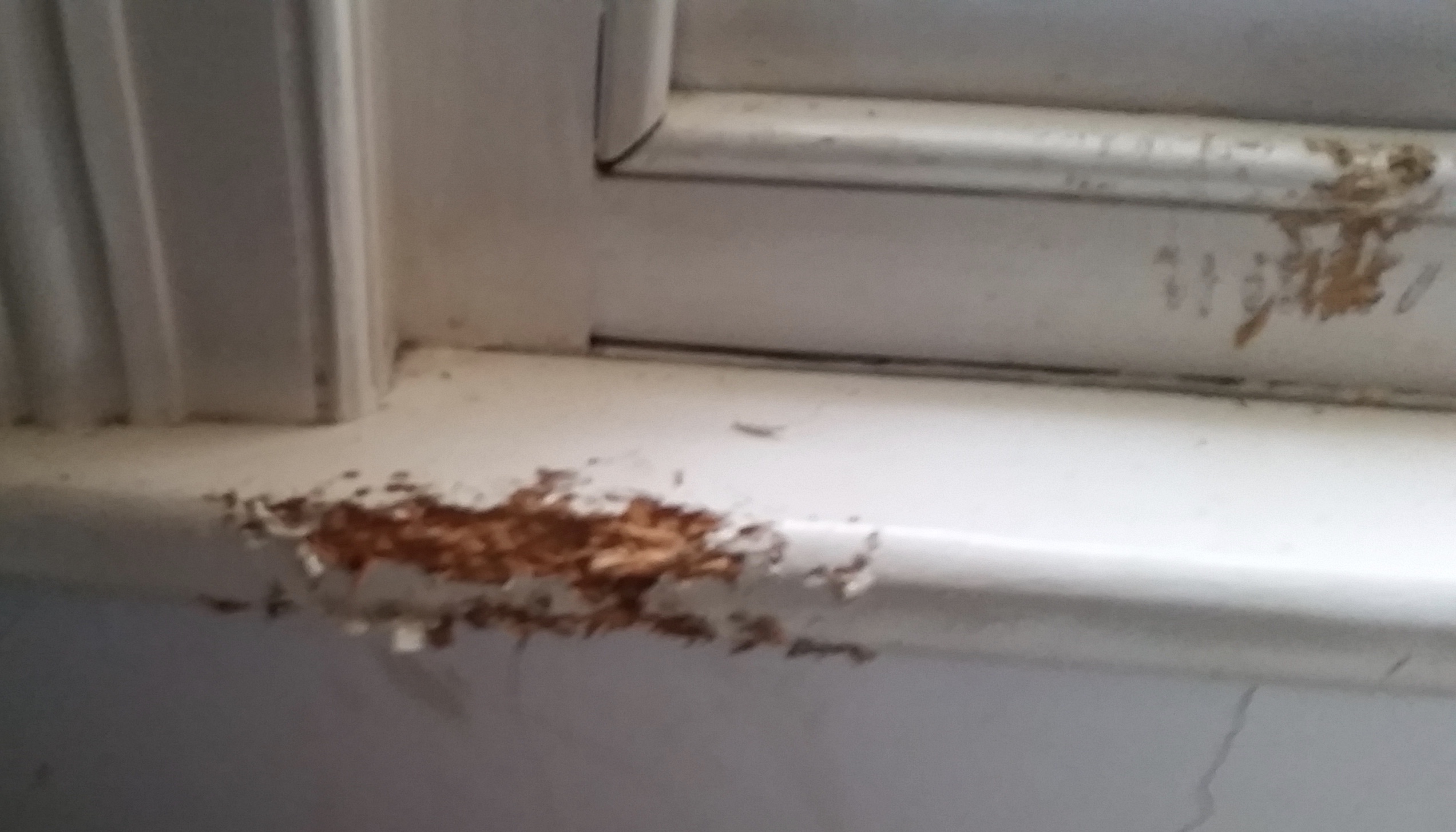
I didn’t know a thing about lurchers until suddenly I had one. Then I wondered why everyone the world didn’t know about them and love them! Mad Millie came into my life and changed it forever just over 6 years ago. My whippet Lawson was not coping with being an only dog and had taken to eating my wicker furniture, wooden blinds and eventually even a window frame to express his dissatisfaction with having a whippet mama  who worked full time.

fullsizeoutput_116

Now, I’m not too precious about my furniture but the window was another story – firstly because this whippet mama was renting the place; and secondly because Lawson made such a mess of the window frame that he was able to escape! ( I suspect some passerby felt sorry for him and decided to aid and abet the crime…) Fortunately Lawson was found soon after but his mama was not taking any more chances.

The solution had to be company. Whippets are pack animals- they love the company of humans or other animals – so I decided a whippet friend would be just the thing. Months looking on Pet Rescue were unfruitful so the decision was made to look at whippet crosses.

A month later a whippet cross came up at Pets Haven in Woodend, a 12 month old female called Minnie. This was her tinder pic:

525961_407381885968217_237439307_n

You may notice that Minnie (as she was known then) was totally short haired so this whippet mama never suspected that a lurcher lurked within. Minnie bounced out of the cage area keen to walk and showed none of the shyness exhibited by the quiet man Lawson. Turns out she had been dumped at only a couple of months old but not abused like Lawson so her confidence was still in full effect. Lawson seemed interested but not frightened so home Minnie came. Turns out she was only 5 months old  even though she looked a year old – that should have been the first warning sign that she was going to be a bit different!

The people at Pets Haven had no idea what Millie was crossed with so the next few months were a bit like being on a mystery tour, trying to work out just what this pup would turn out to be. Like any whippet mama worth her salt, I did some research, eventually finding a picture of Millie’s doppelgänger. Success!

Lurcher Kipling and Chihuahua puppy

If the term lurcher sounds a bit ungainly it is probably because these dogs can be a bit lacking in the coordination and grace departments at times. Gangly legs tend to lend themselves to such characteristics. However, this is not the real reason for the name.

Lurchers were mixed breed dogs created by common folk for hunting at a time when purebreds (i.e. greyhounds) were only allowed to be owned by royalty and their ilk.  If a commoner was found with a purebred hunting dog then there was hell to pay – mainly for the dog who would be maimed or killed. The peasant could have his hands cut off as well, not a risk he was keen on taking! So lurchers (also known as gypsy dogs or poaching dogs) were created to get around this problem. The shagginess of their fur meant that their sleek shapes were hidden from view. I know, that kind of makes lurchers seem like a peasant version but let me tell you lurchers can be very regal looking indeed. Here is a picture of Millie looking like the queen that she is:

millie-being-reflective

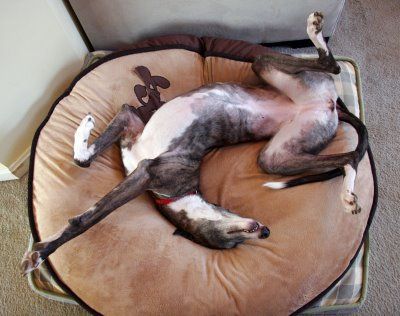
Not only that, but greyhounds are not always as graceful as they appear…….ceiling view roaching

So what exactly goes into making a lurcher?

Generally speaking, lurchers are a cross between a running dog (greyhound, whippet, saluki, deerhound, Irish wolfhound, or borzoi) and a working dog (border collie, bearded collie, kelpie, Bedlington terrier, Labrador, German shepherd, German wirehaired pointer, Staffordshire bull terrier etc). Sometimes they are a cross between two running dogs (also known as “longdogs”) and there may be more than two breeds in the mix (but only ever a cross between running dogs/hounds and working dogs).

The particular mix of breeds used to create a lurcher could be decided by chance or availability but often breeds were chosen for their particular strengths or characteristics.

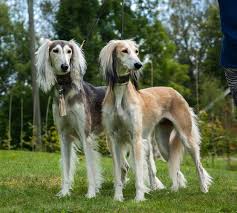
SALUKI

saluki duo grey and tanSaluki_in_India

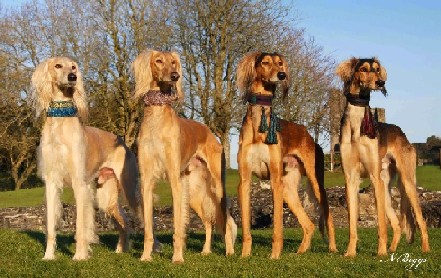
Saluki’s were originally desert dogs, and they are still used across the Middle East for hunting. Benefits of including a saluki in the mix are: all terrain feet, lot of stamina, can cope with extreme heat and cold, has a strong guarding instinct and very loving. Purebred saluki’s are not usually used for hunting because they are apparently super difficult to train, being very sensitive and stubborn (sounds like my fur babies!), and they are not as fast as a greyhound or whippet.

You can tell if a saluki is in the mix by the ears (very distinctive!), large almond shaped eyes, a black mask and a coat that is black and tan, tricolour or brindle.

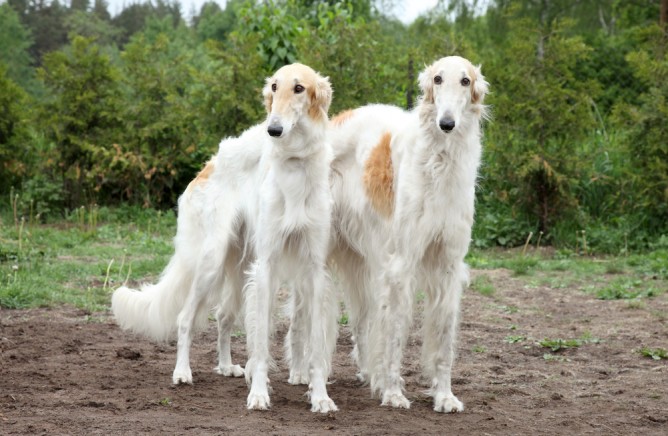
BORZOI

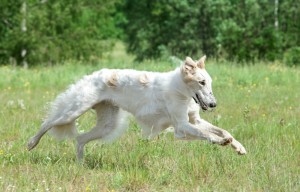
borzoi1-duoborzoi-running

Often confused with Saluki’s because of their long faces and large eyes, Borzoi’s are actually very different. For a start, they originate from Russia and so are have very heavy, weatherproof coats. Traditionally they were kept in large groups in kennels and so not used to dealing with humans. Of course, times change and now there are Borzoi’s lucky enough to live indoors with their human slaves.

DEERHOUND

adorable scottish deerhound hunterdeerhound face

Deerhounds and wolfhounds are most commonly mistaken for each other. They are both big, furry and awesome, so the confusion is understandable. Deerhounds are usually called Scottish Deerhounds (as opposed to Irish Wolfhounds) and they are fast and strong enough to kill deer that are bigger than them. Of course, killing Bambi is not a pastime we want to encourage so lets look at the other benefits of this wonderful hound: they are very easy to train, have a weatherproof coat and all terrain feet (likely a furry 4WD!) and live to their early teens.

WOLFHOUND

irish-wolfhound duoirish_wolfhound

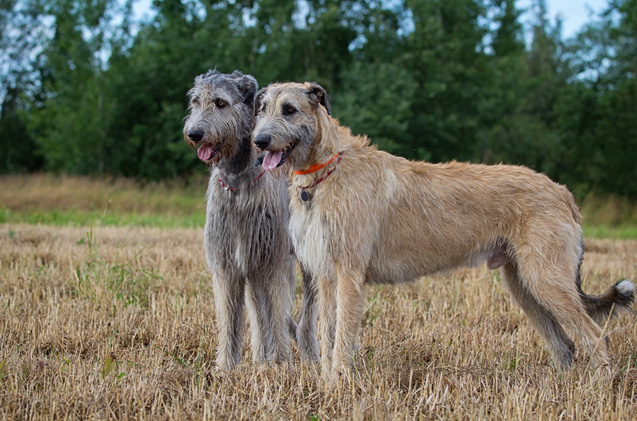
Purebred wolfhounds are very large, and I mean really, REALLY large. They are so large that they often can’t run fast enough to catch prey. For this reason, they don’t tend to be included much in the mix of lurchers if hunting is the aim. Unfortunately these beautiful hounds don’t live very long, most being lucky to make it to six 😦  Benefits of wolfhounds? They are are easy to train and live with and they have a coat that can deal with the worst that weather can throw at it. Did I mention that they are beautiful?…….

GREYHOUND

black and white greyhound

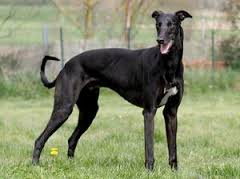
Probably the best known of the sighthounds and increasingly becoming beloved pets – now that people have realised that they DON’T need a lot of exercise and are actually the biggest couch potatoes in the world.  Greyhounds were included in the lurcher mix to bring incredible speed, a low maintenance coat, and loving natures. Their drawbacks are a dislike of cold weather (due to their lack of body fat and fur) but they make excellent TV companions; not only that, greyhound mamas and papas can indulge their passion for fashion by purchasing a wardrobe of coats  that will humiliate their fur babies in front of their hound peers. Win, win!

AND NOT LEAST…..

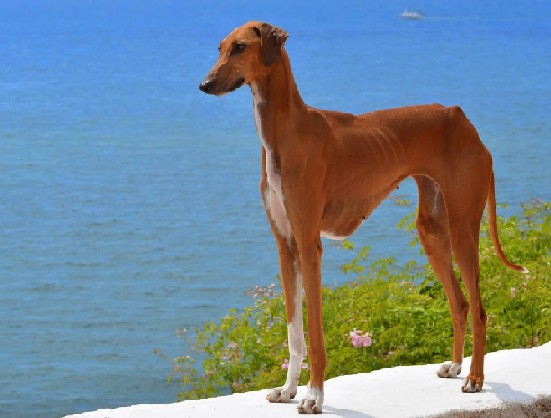
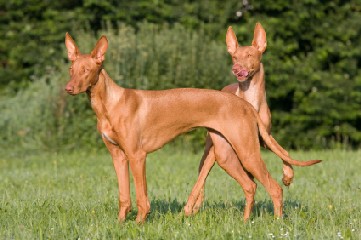
There are other hounds that can be included in a lurcher mix such as Azawakh, Sloughi, pharaoh hounds, and Afghan hounds.  However, these are less common so not discussed in detail here. But let’s look at pictures of these exotic hounds!

azawakh

Azawakh hound (in need of a good meal in my opinion!)

Pharaoh Hound 2

Pharaoh hounds (very sensitive about their ears, so please don’t mention them)

Sloughi_male

Sloughi (check out the floppy ears…)

Afghan hounds (this mama has some serious hair envy!)

Oh, and whippets. See previous posts for info on these weird and awesome beings.

So what have we learned about lurchers?

  • they are a houndy bitsa’s (bits o’ this, bits o’ that)
  • they love to run (but not for money because they aren’t materialistic like that)
  • they love to sleep, preferably on your couch or Doona or carpet in front of the fire
  • they live a long time and are pretty easy to look after
  • they can bring down deer and other large animals (but mamas don’t encourage that sort of behaviour at all, we are all for cuddling not killing)
  • they are original; having a lurcher is like buying designer instead of on the high street – no one else will have one like it!

Hope that makes sense and that you are as impressed by lurchers as this mama. Millie says bye…x

millie-laughing-upside-down


Look kids, its a greyhound!

This must be one of the most annoying things a whippet mama or papa can hear. Whippets are the hidden treasure of dogs, mistaken for greys all the time. Not only that, but people often think that Italian greyhounds are whippets! As a proud whippet mama I have taken upon myself to educate the good people of the world to recognise and adore this beautiful breed.

Here is a great pic that demonstrates the difference between greyhounds, whippets and Italian greyhounds (better known as Iggies). ‘Nuff said.

size comparison

So, what is a whippet? Whippets are part of a class of dogs called sight hounds. Sight hounds were used in hunting and were able to find and bring down their prey using sight alone. This sets them apart from bloodhounds that rely more on smell. Historically, sighthounds were found in North Africa, Arabic countries, Afghanistan, Russia, Ireland and Scotland.

Whippets aren’t really used for hunting anymore, although other sight hounds still are. I find it hard to imagine my boy Lawson as a hunter but then I remember his obsession with trying (and sometimes succeeding, much to my horror) to catch birds.

Sight hounds include:
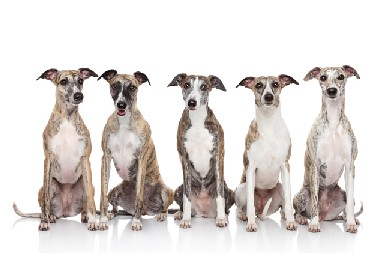
Whippets

five brindle whippets

Smaller than greyhounds but with a similar temperament, whippets are a hidden treasure being discovered by people now who realise that they make great city dogs. They don’t bark, rarely shed, don’t need grooming, sleep a lot and are happy  with a run in the local park each day. Did I mention that they are freaking awesome?!

Greyhounds

black and white greyhound

The original and best known. Gorgeous creatures with the souls of poets and the body of athletes, greyhounds are unfortunately exploited for their speed and abused in terrible ways. Thankfully there are organisations such as the Greyhound Adoption Program to rescue “failed” racers from death or worse. Greyhounds are not, as most people think, high maintenance, exercise wise. A quick burst of speed at the park  and they are ready for their bed!

Italian greyhounds

Italian-Greyhound-2-645mk062111

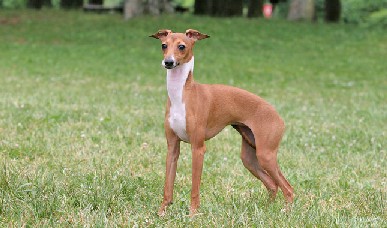
A lot of people think that whippets and Italian greyhounds are one and the same. However, that is like confusing Jack Russell’s with Staffies. Italian greyhounds have the faces of Chihuahuas and are more highly strung than whippets. They are fast and seem to have inexhaustible energy.

Irish wolfhounds

irish_wolfhound

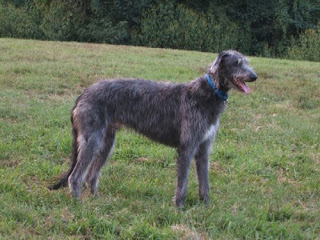
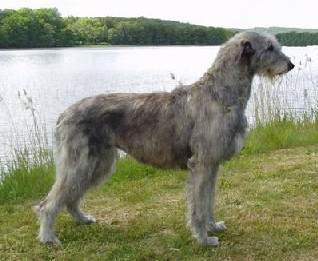
The biggest dogs that exist. They are bigger than a lot of humans but have the soul of greyhounds and are very affectionate. The original gentle giant.

Scottish deerhounds

adorable scottish deerhound hunter

Like a cross between Irish Wolfhounds and greyhounds, deerhounds have the speed and strength but without the  huge mass of the former.

Staghounds

staghound

Staghounds are made for hunting. In America they are called Staghounds, in Australia they are called Kangaroo dogs. Staghounds are essentially lurchers – a mix between sighthounds and working dogs. From the picture above you might think that staghounds are not the kind of dog you could cuddle with on the couch – however, my gorgeous girl is a staghound and the most affectionate dog I have ever known. Stereotypes be damned!

Salukis

Salukis

The glamour models of the sighthound world. Saluki’s come in a range of colours, all of them gorgeous. To be honest, whenever I see Salukis out and about they always seem to be a bit skinny for my liking but maybe that’s just me…

Borzoi (aka Russian wolfhounds)

Borzoi-large

They are a bit gorgeous really but require a lot more grooming than most other sighthounds. They come in different coats – some more fluffy than others. Essentially, borzois are very regal in appearance but similar in temperament to other sighthounds.

Azawakh (African)

azawakh

I just want to give them a big bowel of potato and gravy! However, I know that they are this weight for a reason. They are refined in appearance;their personality relies a lot on how they are trained. They have the potential to be as affectionate as their fellow sighthounds if allowed.

Ibizan hounds

ibizan-hound

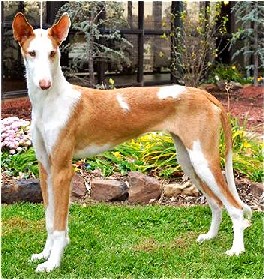
An off-shoot of pharaoh hounds, they have the distinctive ears of pharaoh hounds but with white and red colouring and amber coloured eyes. Ibizan hounds come in smooth and rough coated varieties. They are stockier than greyhounds, very intelligent and expert escapologists.

Pharaoh hounds

Pharaoh Hound 2

Despite their Egyptian sounding names, pharaoh hounds are the national dog of Malta. It’s native name is Kelb Tal-Fenek – In Maltese, it’s name means “rabbit dog”. Like the Ibizan hound it is a smart, agile and athletic dog; however, unlike the Ibizan dog, it only comes in the smooth coated variety.

Galgo’s

galgo-espanol-bild-www-schanz-fotodesign-de-

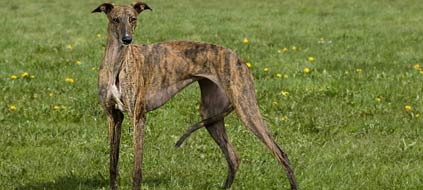
Galgo’s are an ancient breed, from whom the greyhound is descended. Galgo’s tend to be smaller, lighter in breed, with a longer tail and streamlined head that makes the ears look much bigger. Galgo’s chests are not as deep chests as greyhounds and their coats come in both rough and smooth varieties.

Galgo’s are gentle creatures, very much like their greyhound relatives. They are used for hunting in Spain and are one of the most abused animals in the world. Spaniards often keep Galgo’s emaciated to encourage them to hunt; if they fail to be good hunters, their death is long and brutal.

And there are many more sighthounds not mentioned here…

They all have in common a graceful, tapered form with a long neck and long legs holding up a muscular body. Sighthounds use a bounding gallop when they run, similar to that which a cheetah uses. Sighthounds can reach 45 kms per hour from little or no run up.

Sight hounds are more known for speed than stamina, so a quick run in the park is usually following by a long sleep on the couch!

I will talk more about these awesome dogs over the course of this blog and I look forward to any contributions you might choose to make.

Cheers, Maree